
The Glenbuchat Image Library
No: 2269 Contributor: Ken Cruickshank Year: 1904
85 The Men from Glenbuchat' 1904


(The watercolours of Douglas Strachan RSA)
Image 1. Douglas Strachan RSA Artist
Image 2. James W. Barclay, Castle Lodge - (laird of Glenbuchat 1901 -1907)
Image 3. James W. Barclay, Castle Lodge
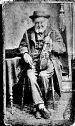
Image 4. Alexander Fletcher, Mains of Glenbuchat - (tenant farmer and estate Land Steward.)
Image 5. Adam Hay, Upperton - (crofter)
Image 6. William Hay, Belnacraig - (retired lime burner)
Image 7. Scott Stewart, Deochry - (crofter / agricultural labourer)
Glenbuchat.
In 1901 Glenbuchat Estate was sold to Aberdeen based businessman, politician and agricultural reformer and improver - James W. Barclay. His main aim was to modernise the farming of the glen and upgrade the living conditions of his tenants. He had a great respect for his new tenantry and their uncomplaining resilience through hard times, with little help from the previous owners.
The new laird embraced all things 'Glenbuchat', from the sporting facilities of the Shooting Lodge and grouse moors, to the history, traditions and culture of his Highland estate. He had his own estate tartan and tweed made by weavers, from local wool and dyes, tailored in the glen, and worn by his estate workers.
Glenbuchat Estate tweed jacket woven by James Hay of Belnacraig c1906.
Kilt Woven by James Hay
Barclay reverted the corrupted name 'Glenbucket' back to the original Gaelic - 'Glenbuchat', which appeared on the parish foundation charter of 1472.
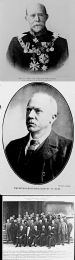
In 1904 James W. Barclay commissioned the nationally important Aberdeen artist, Douglas Strachan RSA, to paint a series of water colour portraits of himself, and senior residents of the glen.
Douglas Strachan 1875 - 1950
Today Douglas Strachan RSA is best known as the most significant Scottish designer of stained-glass windows in the 20th century. He is celebrated internationally for his windows at the Peace Palace in The Hauge and Edinburgh's Scottish National War Museum. He completed over 300 works, many for cathedrals and churches throughout the United Kingdom. In his native city of Aberdeen, Kings College Chapel in Old Aberdeen has an example of his stained-glass work (Wikipedia). He is also known for his paintings, murals, and illustrations, particularly from his early years. Locally, The University of Aberdeen, Aberdeen Art Galleries and Museums, and Aberdeen Music Hall have several examples of his water colour and oil paintings.
The Watercolours
There are no surviving records of the artists commission by James W. Barclay. We assume Douglas Strachan traveled to his subjects in Glenbuchat, for the sittings. He may have stayed at the lairds Glenbuchat residence - Castle Lodge. The laird’s great granddaughter, Mrs. Jean Barclay Sole remembered that there was a fresco painted on the ceiling of the hall of The Lodge by the artist. Unfortunately, it was painted over when the hall was redecorated around the mid 1980's. There is also a black and white photo of a painting of James W Barclay (not part of 'The Men from Glenbuchat' series) by the artist, with Glenbuchat Castle in the background (Image 2).
'The Men from Glenbuchat'
The collection consists of five water colour portraits, one of the lairds, and four of his elderly tenants. They are signed by the artist and dated '1904’. The subject’s names and residences are written on the backing board of the pictures -
Image 1. James W. Barclay, Castle Lodge - (laird of Glenbuchat 1901 -1907)
Image 2. Alexander Fletcher, Mains of Glenbuchat - (tenant farmer and estate Land Steward.)
Image 3. Adam Hay, Upperton - (crofter)
Image 4. William Hay, Belnacraig - (retired lime burner)
Image 5. Scott Stewart, Deochry - (crofter / agricultural labourer)
James W, Barclay died in 1907 and was succeeded by his daughter, Florence Barclay Milne. She and her husband, George Milne of Logie Estate, Pitcaple, Aberdeenshire, divided their time between their two properties. The paintings were passed down the Barclay family line, and are now in a private home in England, where they are known collectively as 'The Men from Glenbuchat' or alternatively 'The Glenbuchat Farmers'. Low quality colour photographic images have very kindly been sent, which obviously, do very little for the artistic quality of the water colours. But from a historical point of view, for the purposes of the Glenbuchat Heritage Archive web site, they give us a visual record of five elderly men connected to Glenbuchat at the beginning of the 20th century.
Picture added on 18 May 2020 at 15:28
Hi, Thanks for posting the Men of Glenbuchat, Scott Stewart was my Great Grand Father, his first son, Robert Stewart who came to Australia was my Grand Father. I also would love a copy of Scott's photo if it be possible.
Ed
Photo sent
Ed
Photo sent
Added by Gerald Millward on 01 July 2020
12 Contribited Pictures, Text ll



Ed
Photo sent